Expectations around workplace facilities are evolving, and washroom provision is no exception. Businesses are increasingly being encouraged to think more carefully about how their spaces support a wider range of needs, including those related to male incontinence.

However, guidance in this area is often unclear. With limited awareness and inconsistent provision, many organisations are left unsure about how this type of waste should be managed within male washrooms.
In this blog post, we’ll explore the key considerations around male incontinence waste disposal, outline the types of waste that require specialist handling, and look at how businesses can implement practical, compliant solutions within their facilities.
Why male washrooms need sanitary waste bins
The need for sanitary waste bins in male washrooms goes far beyond assumptions about general hygiene. As awareness grows around male incontinence, it’s becoming clear that facilities must evolve to meet a broader range of user needs.
Demand is not limited to incontinence alone. While male incontinence can affect individuals due to ageing or underlying medical conditions, there are several other scenarios where appropriate disposal facilities are essential.
For example, men undergoing treatment for prostate cancer may experience temporary or ongoing incontinence, requiring discreet and hygienic waste management options.
In addition, some individuals rely on medical devices such as stoma bags, which also require safe and appropriate disposal. These are not items that can or should be placed in standard waste bins, due to both hygiene considerations and waste handling regulations.
There is also an important inclusion aspect to consider. Providing sanitary waste bins in male washrooms supports trans men who require access to these facilities. Ensuring appropriate provision is a simple but meaningful step towards creating more inclusive environments.
The presence of suitable disposal units supports dignity, privacy, and accessibility for all users. Without them, individuals may face discomfort or embarrassment or be forced to use inappropriate alternatives.
Understanding hygiene waste requirements
Managing male washroom facilities effectively requires both an understanding of hygiene waste and a clear approach to handling it in line with legal obligations.
Male washrooms may need to accommodate a variety of hygiene-related waste, including incontinence products such as pads and liners, as well as waste associated with stoma care. In some cases, sanitary items may also be present. These materials can contain bodily fluids and must be handled with care.
This type of waste is typically classified as offensive or hygiene waste. While it is not usually infectious, it can still pose risks if managed incorrectly, particularly in shared environments such as workplaces and public facilities.
For this reason, businesses have a duty to ensure hygiene waste is stored, collected, and disposed of safely and responsibly. In the UK, this sits within a broader legal framework, including the Workplace (Health, Safety and Welfare) Regulations 1992, which require employers to maintain a clean, safe, and hygienic environment.
Alongside this, organisations must meet their duty of care obligations by taking all reasonable steps to manage waste correctly from disposal through to final treatment. This includes using appropriate, sealed waste units and ensuring collection is carried out by licensed waste carriers.
Proper documentation is also an important part of compliance. Maintaining clear records of waste transfer provides traceability and demonstrates that waste is being handled in accordance with regulations.
Failing to follow these requirements can lead to compliance issues, environmental risks, and unsafe handling practices. In contrast, a structured approach to hygiene waste management supports safer workplaces, reduces risk, and ensures facilities meet expected legal and operational standards.
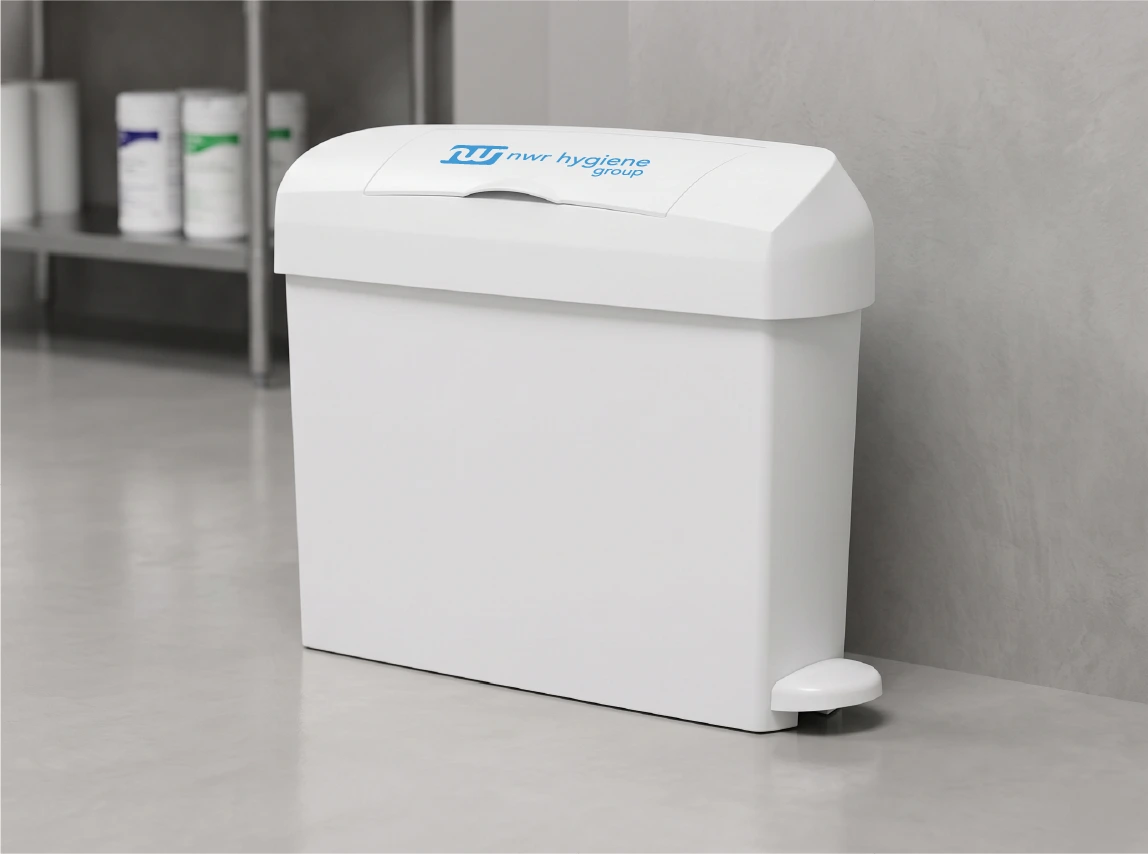
Providing dedicated sanitary waste bins plays a key role in this process. These solutions are specifically designed to manage hygiene waste discreetly and effectively, helping organisations remain compliant while supporting the needs of all users.
The risks of inadequate disposal
Failing to provide appropriate disposal options in male washrooms can lead to a range of issues. These include:
The flushing of inappropriate items
When suitable bins are not available, individuals may resort to flushing incontinence products or related waste. These items are not designed to break down in water, which can quickly lead to blocked pipes, drainage issues, and costly repairs. Over time, this can also contribute to larger-scale plumbing failures and disruption to business operations.
Hygiene concerns with general waste bins
Using standard waste bins for sanitary or medical-related disposal presents clear hygiene risks. These bins are not designed to contain this type of waste, which can lead to unpleasant odours, contamination, and discomfort for both users and cleaning staff. It also increases the likelihood of improper handling.
Increased cleaning and maintenance
Inadequate disposal options often result in additional strain on cleaning teams. Spillages, overfilled bins, or incorrectly disposed items can all increase the time and effort required to maintain washroom standards. This not only impacts operational efficiency but can also drive-up ongoing maintenance costs.
Impact on user experience
Washroom facilities play a significant role in how a workplace or public space is perceived. Poorly managed or unsuitable disposal options can create embarrassment or frustration for users, particularly those managing medical conditions.
Over time, this can negatively affect employee wellbeing, satisfaction, and overall perception of the organisation’s commitment to inclusive and well-maintained facilities. With these considerations in mind, introducing the right sanitary waste solutions offers clear advantages for businesses.
Benefits of sanitary waste bins for businesses
Introducing sanitary waste solutions in male washrooms offers a range of benefits for businesses. This includes:
Higher standards of washroom hygiene
Providing purpose-built disposal units ensures waste is managed in a controlled and appropriate way. This helps prevent lingering odours, reduces the risk of cross-contamination, and keeps facilities consistently clean for all users.
It also supports a more professional overall presentation of washroom spaces, helping maintain high standards across the wider workplace environment
More efficient facilities management
When the right disposal options are available, waste is less likely to end up in pipes or unsuitable bins. This leads to smoother day-to-day operations, fewer reactive maintenance issues, and better use of cleaning resources. It also allows facilities teams to work more proactively, with clearer processes in place and fewer unexpected disruptions to manage.
Improved user confidence and comfort
Access to appropriate facilities allows individuals to manage personal hygiene discreetly and with dignity. This contributes to a more positive experience and encourages greater confidence in using shared spaces.
Over time, this can help create a more supportive and respectful workplace atmosphere, where individuals feel their needs have been considered.
Alignment with modern workplace standards
Implementing sanitary waste solutions demonstrates that a business is keeping pace with evolving expectations around hygiene, equality, and employee wellbeing. It reflects a forward-thinking approach to workplace design and facilities provision.
More broadly, it signals attention to detail in how environments are managed, which can positively influence how a business is perceived by employees, visitors, and stakeholders alike.
Why choose NWR Hygiene
When it comes to managing washroom facilities effectively, working with a specialist provider makes a measurable difference. We bring dedicated expertise in washroom hygiene solutions, helping businesses implement the right systems to manage hygiene waste safely, efficiently, and in line with current standards.
Service reliability is a key part of this. With discreet, professional collections and consistent servicing schedules, businesses can be confident that their facilities remain clean, compliant, and fully operational without disruption.
Every aspect of our service is designed to support a seamless experience for both users and internal teams. No two environments are the same, which is why we offer tailored solutions to suit individual requirements.
Whether it’s an office, healthcare setting, or retail facility, services are adapted to fit the layout, usage levels, and specific needs of each space. This ensures that washroom provision is both practical and appropriate.
Trusted by a wide range of organisations, we support businesses in maintaining high standards across their facilities. From initial assessment through to ongoing servicing, the focus is on delivering dependable solutions that enhance hygiene, compliance, and user experience.
If you’re looking to improve your washroom facilities, you can get in touch with our team to discuss your requirements, request a site survey, or learn more about how we can support your business.